- Forklift Accident Report: How to Document How to document a forklift accident for OSHA, insurance, and internal review. A practical guide to completing accurate incident reports.
- Forklift Floor Marking Standards for Warehouses Floor markings separate trucks, pedestrians, and hazards in a warehouse. Here are the OSHA and ANSI color standards and how to apply them in your facility.
- Forklift Traffic Management: Lanes, Signs, and Flow Forklift and pedestrian collisions are among the most serious warehouse accidents. Lanes, signage, and traffic flow design keep trucks and people separated.
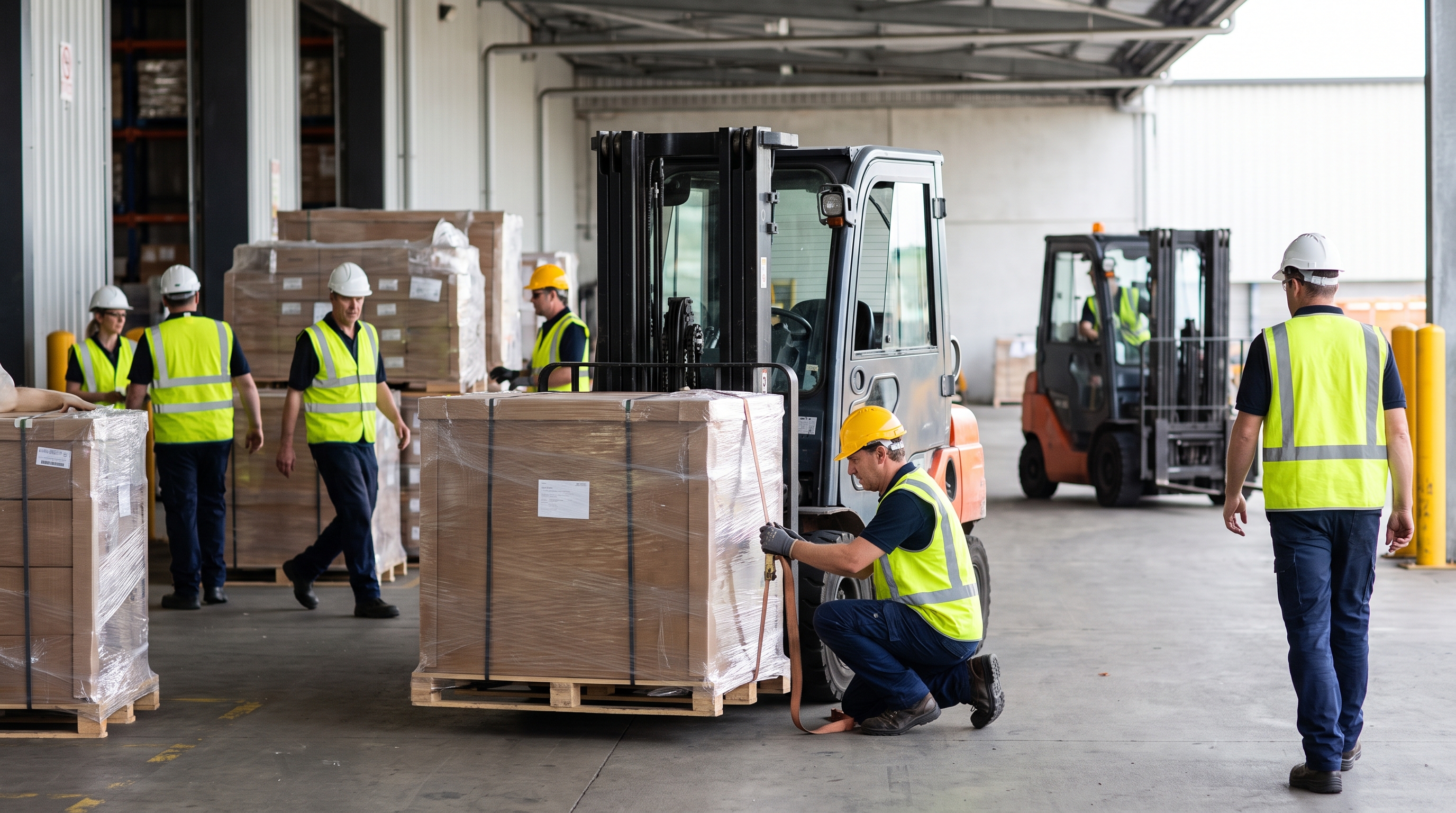
- How to Secure Loads on a Forklift Loose loads shift, tip, and fall. Learn how to secure forklift loads with correct stacking, strapping, and travel technique to prevent drops and tipovers.
- Rough Terrain Forklift Safety: Outdoor and Construction Use Rough terrain and variable reach forklifts work on slopes, mud, and uneven ground. Here is how to handle terrain, loads, and site conditions safely.
- Order Picker Safety: Working at Height on Forklifts Order pickers lift operators to height, adding fall risk to forklift operations. Here are platform, harness, and training rules that keep pickers safe.
- Walkie Rider and Stand-Up Forklift Safety Walkie riders and stand-up trucks have unique hazards: foot and ankle injuries, platform riding, and direction of travel. Here is the safe operating guide.
- Forklift Training Frequency: Annual vs 3-Year OSHA requires evaluation every 3 years and refresher training after incidents or observed unsafe operation. Here is how to build the right cadence.
- Forklift Carbon Monoxide Poisoning: Risks and Prevention Indoor forklifts running on LPG or gasoline produce carbon monoxide. Learn the exposure limits, symptoms, detection methods, and ventilation controls.
- Forklift License vs Certification: What Do You Actually Need? There is no forklift driver's license. What OSHA requires is documented training and evaluation. Here is what certification really means and how to get it.
- How to Water a Forklift Battery: The Complete Guide Watering a lead-acid forklift battery correctly keeps plates covered and extends battery life. Here is the step-by-step procedure, water type, and frequency.
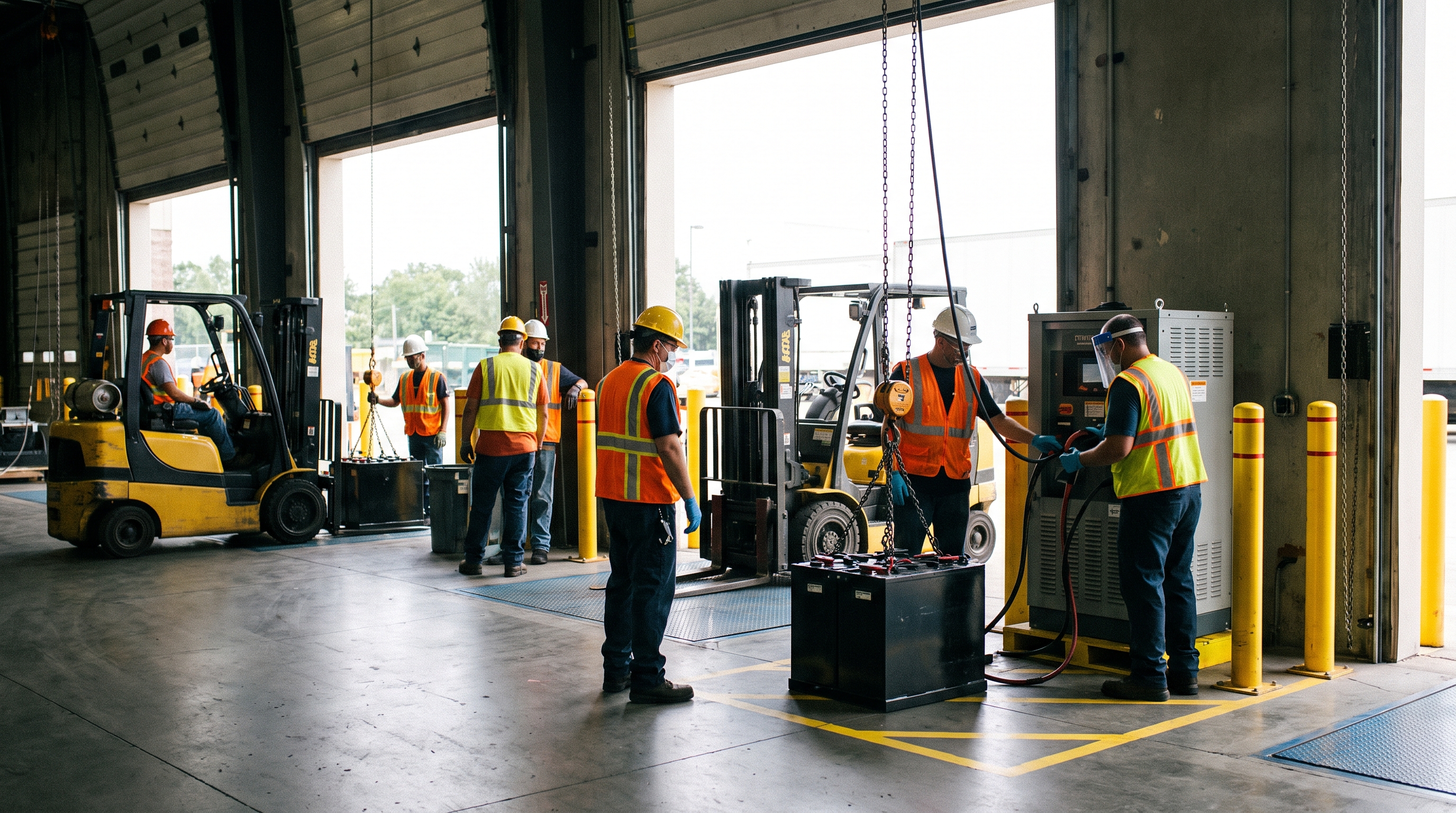
- Forklift Battery Safety: Charging, Handling, and Maintenance Lead-acid and lithium forklift batteries carry real hazards: hydrogen gas, acid, and high current. This guide covers safe charging, handling, and maintenance.
- Forklift Safety in Airports and Aviation Airport ground operations create a distinct forklift traffic environment. This guide covers apron and terminal hazards and the controls that reduce them.
- Forklift Noise and Hearing Protection for Operators Forklift noise exposure, hearing damage risk for operators, and hearing protection basics including OSHA 1910.95 and audiometric testing.
- OSHA Forklift Pedestrian Safety: Separation Guidance OSHA guidance on separating forklifts from pedestrians, including walkways, barriers, alarms, and detection systems for safer facilities.
- Forklift Blind Corner Safety: Mirrors and Lights How to manage forklift blind corners: convex mirrors, lights, signage, speed control, and pedestrian detection at warehouse intersections.
- Forklift Overturn Statistics and Prevention Forklift overturn and tip-over data, the leading causes of rollovers, and the prevention measures that protect operators from injury.
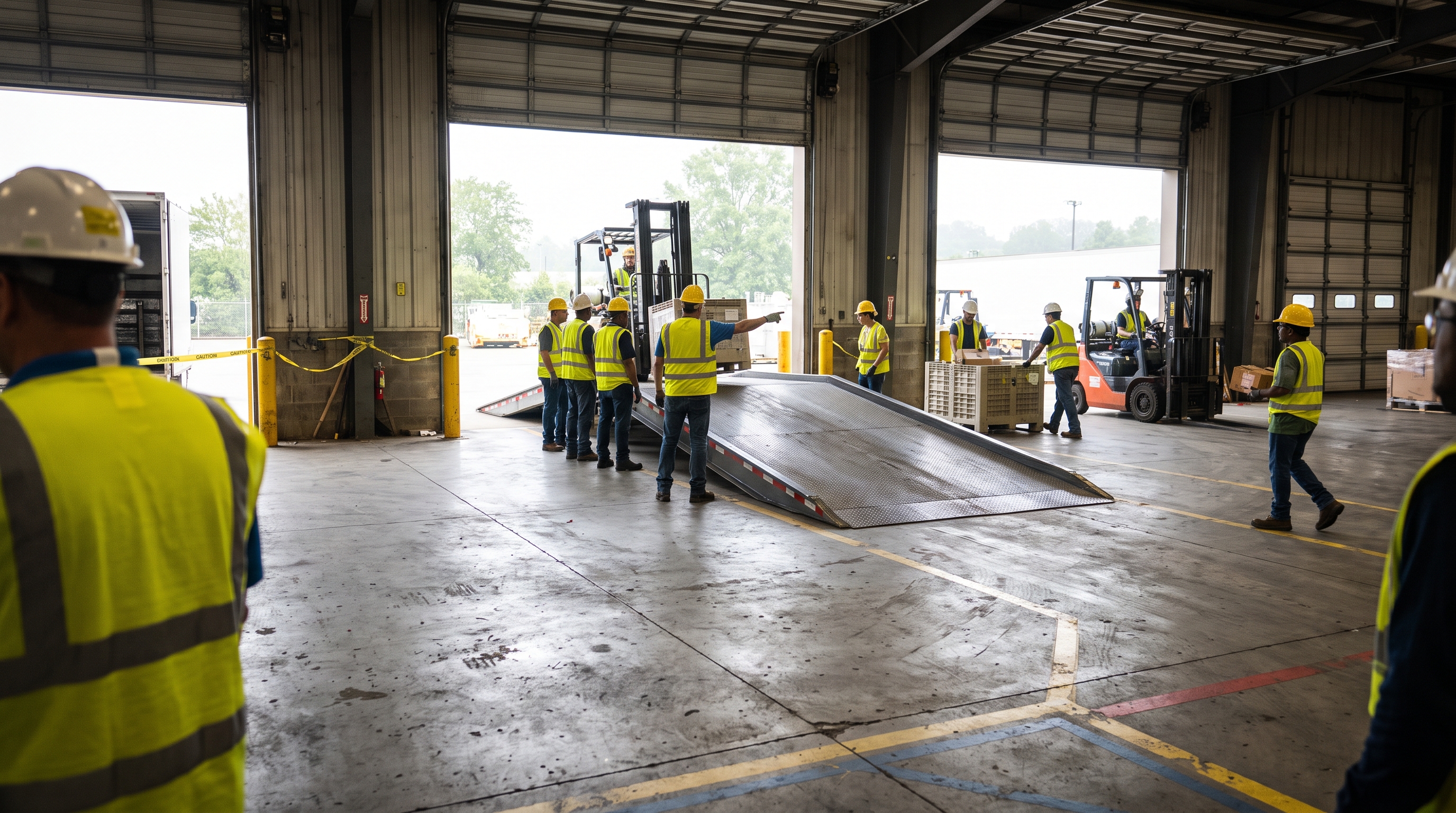
- Forklift Ramp Safety: Grades, Braking, and Load Rules Ramp grades, load position when driving uphill or downhill, and braking rules for forklifts on inclines, with OSHA and B56.1 guidance.
- Forklift Gloves: Types for Operators Forklift glove types for operators: grip, weather, cut resistance, and impact protection, plus how to choose gloves without losing dexterity.
- Reach Truck Safety: Operation, Loads, and Hazards Reach truck safety essentials: narrow-aisle operation, mast reach and load handling at height, plus the specific hazards of this truck class.








Every post carries its own sources. The committed data snapshots behind them are described in the methodology.