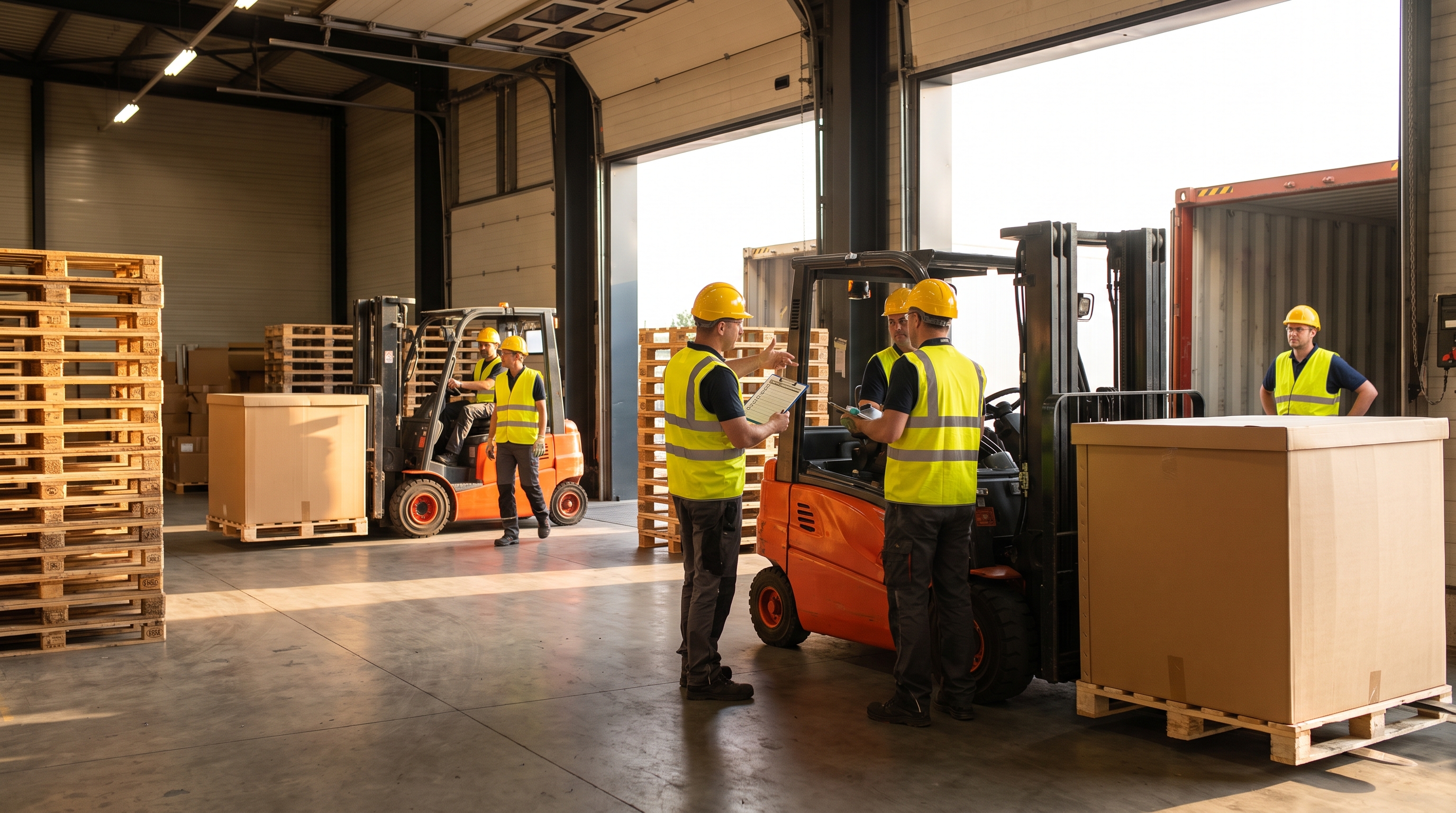
Renting a forklift is a common way to handle seasonal peaks, a facility move, or a short project, but a rental agreement does not transfer safety responsibility. When a rented truck goes on your floor, your operation inherits the same duties it has for owned equipment: operator training, daily inspection, safe operation, and maintenance. The rental company supplies the machine; you supply the conditions it operates in. This post walks through the safety responsibilities that stay with the renter.
Where the liability actually sits
The legal responsibility for a powered industrial truck in use is governed by OSHA 29 CFR 1910.178, which applies to employers whose workers operate the equipment regardless of whether the truck is owned, leased, or rented. The standard’s training requirements in 1910.178(l) are written against the employer of the operator, not the owner of the truck. That means a rented unit does not come with qualified operators, and it does not exempt you from training or inspection duties.
The rental agreement typically splits responsibilities: the rental company is responsible for the mechanical condition of the truck when it leaves their yard, and the renter is responsible for how the truck is used on site. If a rented truck causes an injury and the operator was untrained, or the daily inspection was skipped, the enforcement action and the liability fall on the renting employer. Treat the rental like a leased asset, not a service.
Operator training is a renter obligation
Before anyone operates a rented forklift, verify that they hold current operator certification from a training program that meets OSHA 29 CFR 1910.178(l): formal instruction, practical training, and evaluation. A common error is assuming that an operator trained on a different model can jump on a rental without a gap check. OSHA requires that operators be trained on the specific type of truck they operate, so if the rental is a different class, a different fuel type, or a significantly different configuration, operators need familiarization training before use.
If you are renting for a seasonal surge, see forklift safety training for temporary operators for how to onboard temporary operators safely, because the highest-risk gap is almost always a short-term operator on an unfamiliar machine. Also confirm that operators know the rental’s specific controls, since a rental truck can differ from your fleet in mast height, load capacity, and dashboard layout.
Inspect the truck before and during the rental
Run a full inspection when the truck arrives and before each shift, exactly as you would for owned equipment. The daily inspection under ANSI/ITSDF B56.1 and OSHA 1910.178(q) covers tires, brakes, steering, horn, lights, forks, mast chains, hydraulic leaks, and the overhead guard. Use the same forklift inspection checklist you use for your fleet, and log every check in the same system so there is a record.
Document the condition of the truck at pickup with dated photos, ideally with a representative from the rental company present. This protects both sides if damage is later disputed, and it gives you a baseline for the daily checks. When a defect is found during the rental, take the truck out of service and report it to the rental company immediately. Do not operate a rented truck with a defective or missing guard or any condition that would ground an owned unit.
Site-specific rules apply to the rental
A rental truck operates under your facility’s rules, not a generic set. Walk the operator through your site-specific rules before the first shift: speed limits, pedestrian zones, aisle directions, loading dock procedures, and forklift versus pedestrian right of way. A rented truck is frequently used in an unfamiliar area, so the orientation is not optional.
For outdoor or rough-terrain rentals, confirm the truck is the right class for the surface. A cushion-tire truck on gravel, or a rental used on a construction site without proper overhead protection, creates tipping and instability risk that no rental agreement covers. Match the truck to the task before you sign, and question the rental company’s default recommendation if the use case is outside standard warehouse work.
Maintenance and fuel on your watch
During the rental period, the renter typically handles routine refueling or recharging and day-to-day condition monitoring, while the rental company handles scheduled maintenance. Clarify in writing who performs what, and keep records of every interaction: the arrival inspection, each daily check, fuel or charge records, and any repairs. Those records are what a regulator or an insurer asks for after an incident.
Refueling and battery handling rules still apply. Charging a rented electric truck requires proper ventilation and a designated charging area, and propane tank changes follow the same procedures as your fleet. A rented truck does not get a pass on maintenance software tracking; if your fleet runs on a scheduled maintenance system, log the rental in the same system so its condition is visible to the same people.
Building rentals into your program
Make rental safety a written part of your forklift safety program. Define who approves rentals, who performs the arrival inspection, which operators are cleared for the rental, and how the truck is logged into your asset management and maintenance tracking. A one-page rental procedure prevents the most common failure: a truck appearing on the floor that nobody owns.
If your facility uses rentals regularly, use the Risk Scorer to check how the rental changes exposure in the zones where it will operate. A rented truck added to a busy aisle during a seasonal peak is a different risk profile than a rental in a quiet staging area, and scoring that difference tells you where to add speed controls or extra walkway discipline before the truck arrives.

